
The journal
Will a thick nap roller hide imperfections on smooth walls?
On smooth walls, a thick nap roller won’t hide imperfections; it usually adds texture that can make flaws more noticeable. Here’s what to use instead and how to prep for a flatter finish.
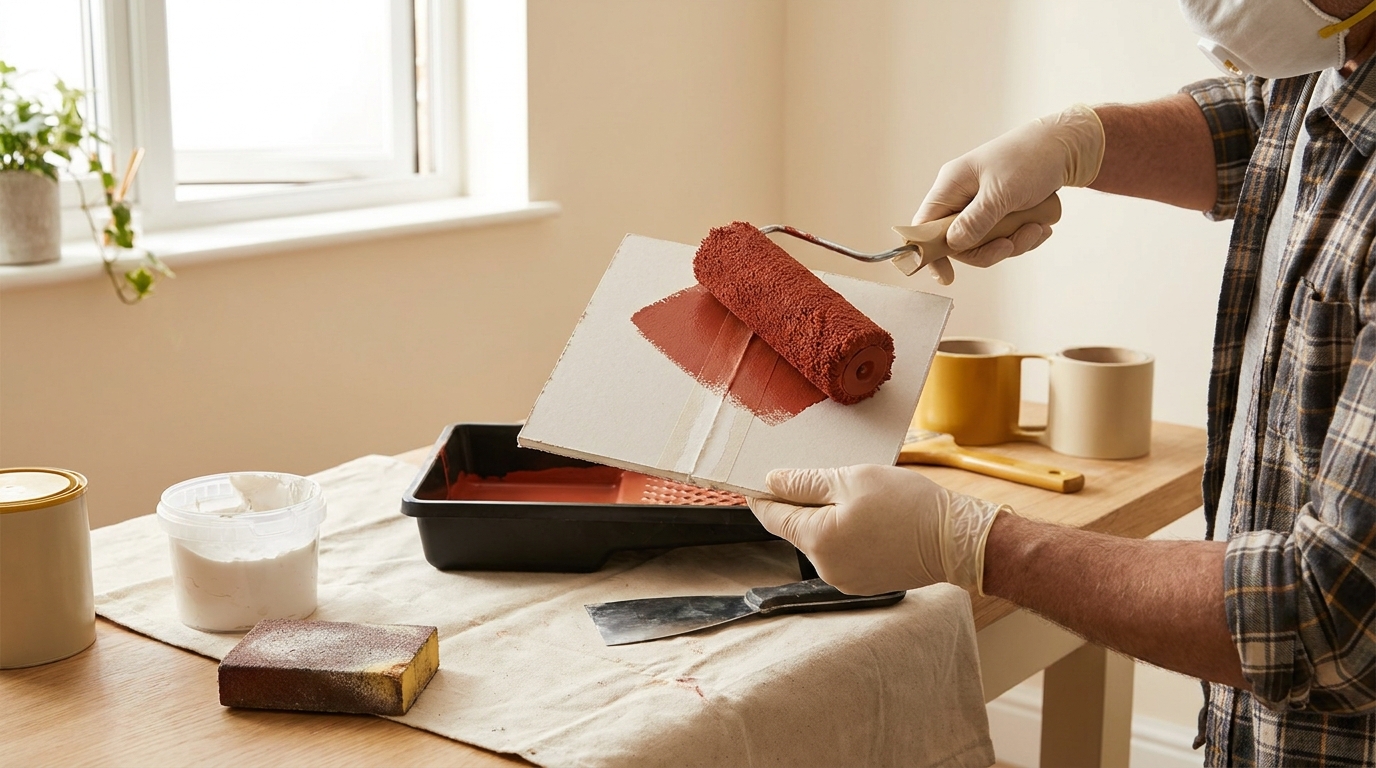
Short answer: No. On smooth walls, a thick nap roller won’t hide imperfections. Thicker naps hold more paint and leave a heavier roller texture (stipple), which can actually highlight dents, seams and patches. For a smoother look on smooth drywall, use a shorter nap and fix flaws with basic prep before painting (Purdy: How to Choose a Paint Roller Cover; Sherwin-Williams: Paint Application FAQs).
What a thicker nap really does
Roller nap is the pile height of the cover. Higher nap covers pick up and release more paint, which helps reach into rough or porous surfaces. The trade-off is a more pronounced stipple pattern. Manufacturer guidance places longer naps for textured surfaces and shorter naps for smooth ones (Purdy: How to Choose a Paint Roller Cover; Sherwin-Williams: Choose a Paint Brush and Roller).
- Use longer naps (1/2 to 1 inch) on textured ceilings, stucco, masonry, or rough wood where you need more paint to reach crevices (Purdy).
- Avoid long naps on smooth drywall when you want a flatter finish; they add texture rather than hiding it (Purdy).
For smooth walls, choose a shorter nap
If the goal is a smooth finish that downplays minor wall defects, select the shortest nap that still covers efficiently with your paint.
- Maximally smooth/sheeny finish: Sherwin-Williams notes that on very smooth surfaces, a thin nap such as 1/4 inch or even mohair 3/16 inch may be recommended (Sherwin-Williams: Paint Application FAQs).
- Common smooth drywall: Purdy recommends around 1/4 inch for uniform interior drywall; 3/8 inch is a versatile option for standard walls and ceilings (Purdy).
- Light texture present: Step up toward 3/8 to 1/2 inch to feed enough paint without overtexturing (Sherwin-Williams: Choose a Paint Brush and Roller; Purdy).
Always check your paint’s label or data page and stay within the manufacturer’s recommended roller nap range (Sherwin-Williams: Paint Application FAQs).
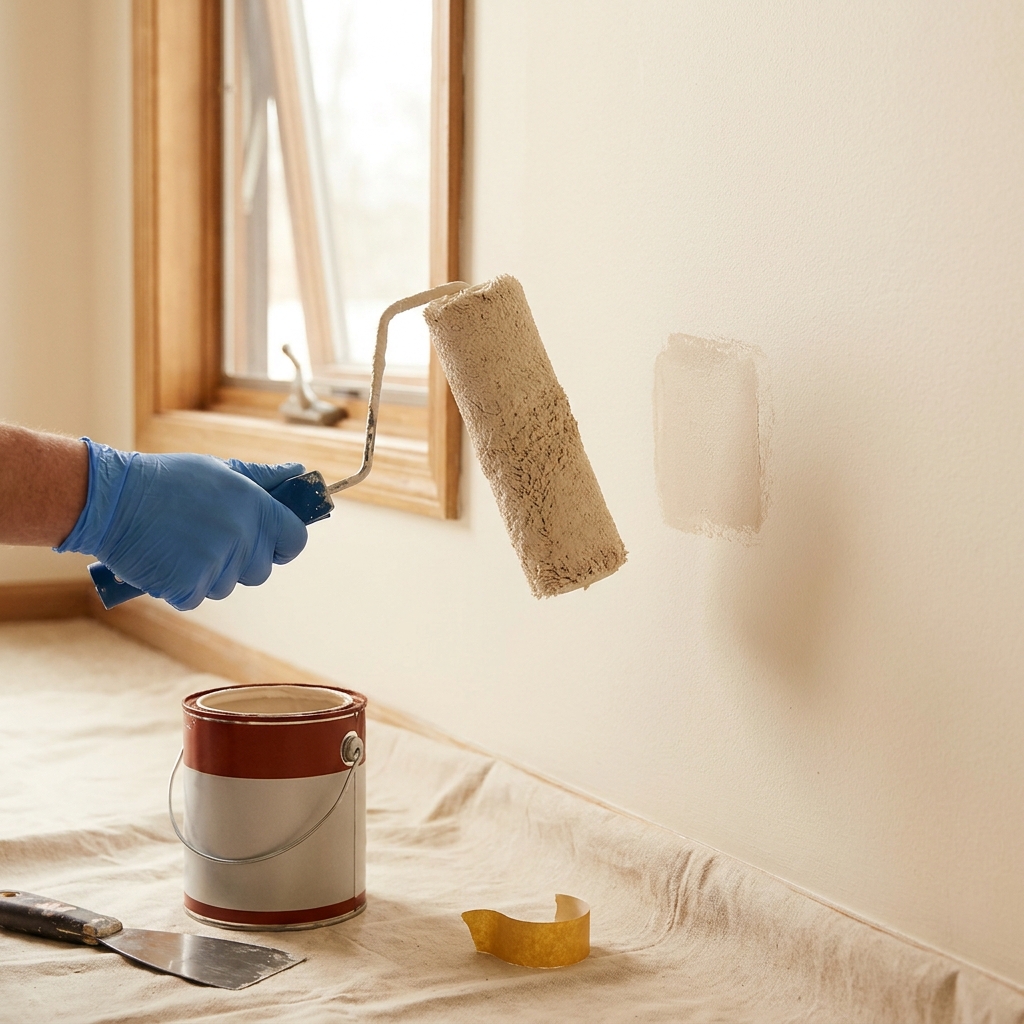
If you need to hide imperfections, fix them before you paint
Rollers don’t erase defects. Quick prep makes the biggest difference:
- Spot patch and sand dents, nail pops and seams; aim for a clean, dull, dry, and sound surface before coating (Sherwin-Williams Pro Painters Training).
- Prime repairs so the topcoat lays down evenly. Sherwin-Williams’ wall prep guide reiterates washing, masking, priming and caulking for best results (Sherwin-Williams: How to Prep Walls for Painting). If you’re unsure when primer is necessary, see our practical guide: Is it necessary to use primer before painting walls?
Need a visual disguise?
For minor, non-structural flaws you don’t want to skim coat, subtle decorative techniques can distract the eye. Sherwin-Williams notes that multi-color sponge effects can help hide small imperfections without heavy texture (Sherwin-Williams: Paint Application FAQs).

Cover material matters: woven vs knit
- Woven/microfiber covers resist lint and lay down a smoother film; a good match for smooth walls and higher-sheen paints.
- Knit covers hold more paint and cover faster, but typically leave more stipple (Purdy: How to Choose a Paint Roller Cover).
Test before you commit
Load your chosen cover and roll a small area. As a rule of thumb, a typical roller load should cover roughly a 2-by-3-foot section; check the texture under raking light. If defects telegraph through, stop and patch, sand and prime before proceeding (Sherwin-Williams Pro Painters Training).
Put this into practice
List the defects that need filling or sanding before you select a roller. Use a test patch to judge the intended texture after preparation instead of treating a thicker cover as a repair for an uneven wall.
Quick checklist: choose a roller nap for smooth walls
FAQ
Will extra coats with a thick nap eventually hide flaws?
Usually not on smooth walls. Additional coats with a long nap just add more stipple, which can accentuate highs and lows; address the flaws first, then apply with a shorter nap (Purdy).
When is a thicker nap appropriate indoors?
When the surface is porous or lightly textured and needs more paint to achieve coverage, stepping up toward 1/2 inch can help, but it will leave more texture (Purdy; Sherwin-Williams FAQs).
Done painting? Here’s how to look after the roller cover so it’s ready for next time: Can you rinse and reuse paint rollers?

Optional equipment for this guide
If replacing a roller, compare nap, cover material and frame fit with the coating maker’s instructions. Repair wall defects before choosing the cover.
As an Amazon Associate I earn from qualifying purchases. These are researched options, not hands-on test results. Check the exact size or model, current price and availability on Amazon.
| Product option | Fit and limits to check | Retailer |
|---|---|---|
| Product imageWooster Pro/Doo-Z RR723-9 roller cover, 9 inch / 3/8-inch nap | Match this cover’s dimensions and fabric to the frame, coating and surface instructions. A roller does not replace filling and sanding defects. | View on Amazon |